Livestock biometric identification

Every muzzle is a record, not a tag.

MuzzleLabs reads the ridge pattern on a cow's muzzle the way a fingerprint scanner reads a thumb — unique, unforgeable, and permanent. No plastic tags to lose, no chips to fail.
Close-up of a cow's muzzle showing its unique ridge pattern
ID10048Z–045228
<2 sec
Time to capture and match a muzzle print
Zero
Tags, chips, or hardware fitted to the animal
1 phone
All a field worker needs to scan a herd
"The tag says one animal. The insurance claim, the vaccine record, and the cow in front of you sometimes say three different things."
01

Ear tags fall out, fade, or get swapped

A torn tag breaks the link between an animal and its vaccination, insurance, and ownership history — right when that history matters most.

02

RFID and chips need hardware everyone must buy

Readers, chips, and batteries add cost at every farm gate, milk collection point, and market yard in the chain.

03

Health checks rely on someone remembering to look

Udder condition and early signs of mastitis are often caught late, after yield has already dropped.

What we build

Three problems, one camera.

MuzzleLabs turns an ordinary phone camera into a biometric scanner and a health inspector — built specifically for cattle and buffalo herds.

PRODUCT / 01

Muzzle ID

Every muzzle's ridge pattern is captured, converted to a print, and matched against the herd registry in under two seconds — replacing tags as the primary identifier.

MATCH CONFIDENCE · 99.1%
PRODUCT / 02

Herd Vision

A single udder photo is scored for swelling, symmetry, and skin condition, flagging early signs of mastitis before yield or the animal's health is affected.

SCAN TIME · UNDER 3 SEC
PRODUCT / 03

Registry

Every scan writes to a permanent record — ownership, vaccination, yield, and health history — tied to the animal itself, not a tag that can be lost or swapped.

RECORDS · TAMPER-EVIDENT
From the field

Real captures, real herds.

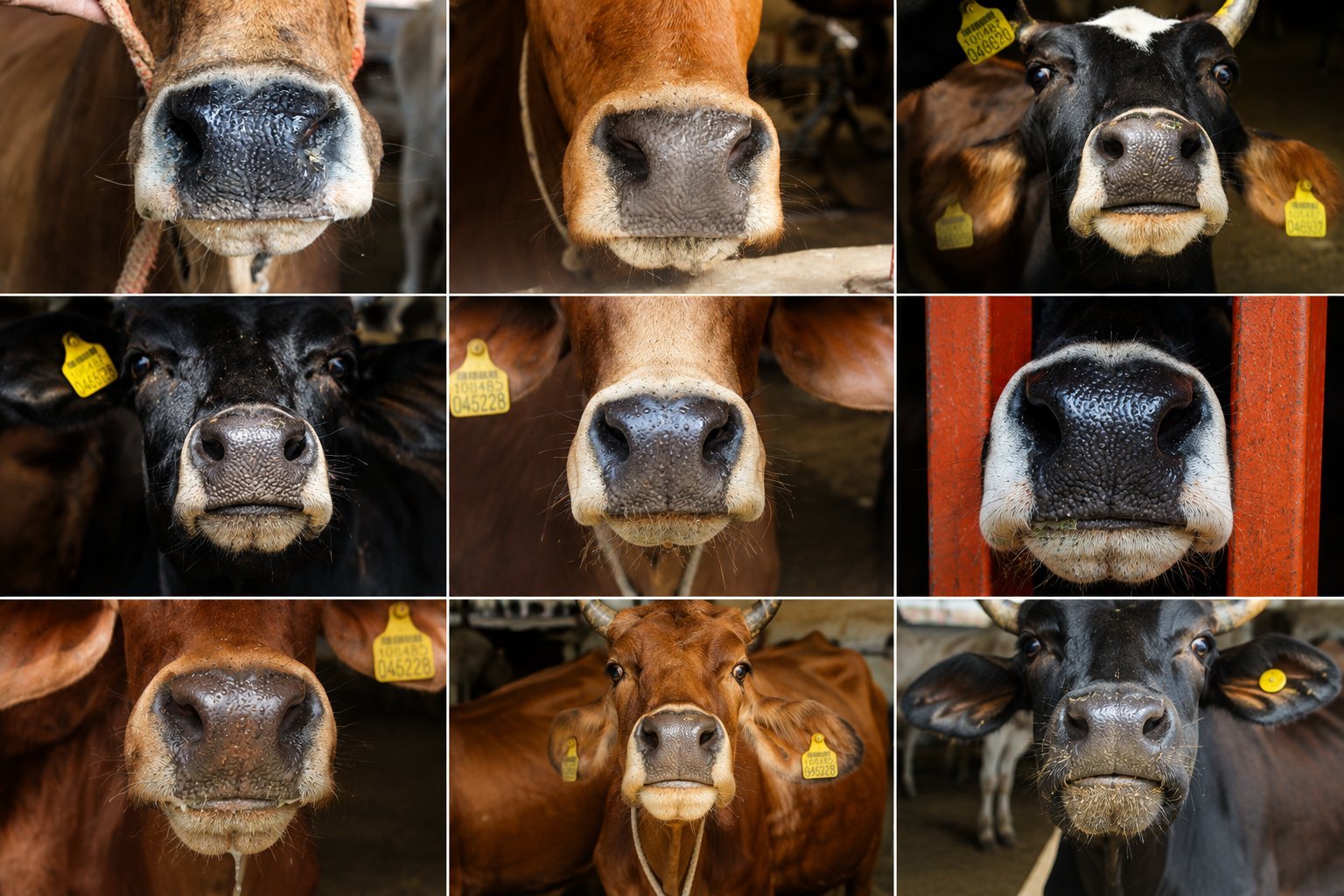
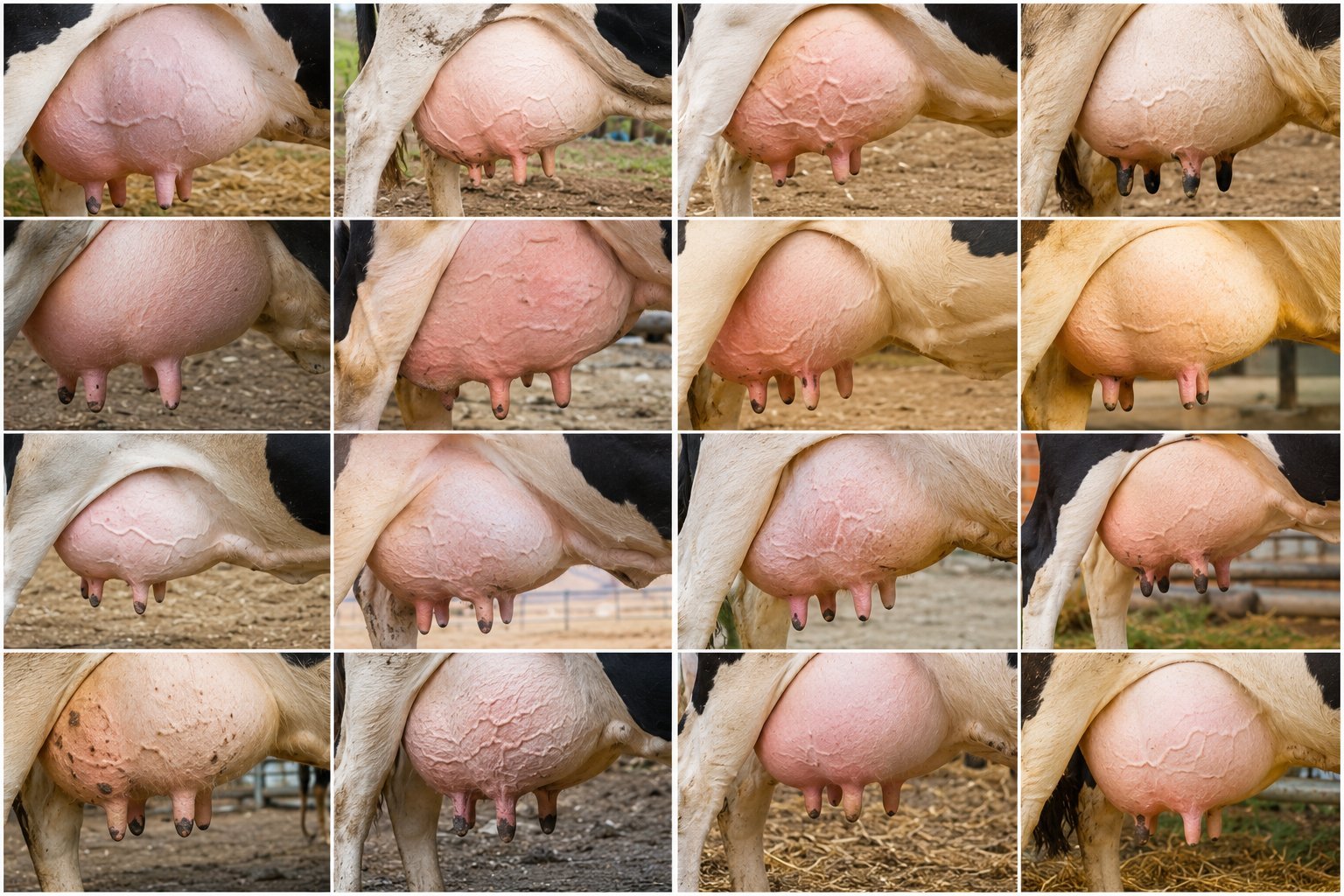
A sample of the raw material our models are trained on — muzzle and udder photographs taken on ordinary phones, in ordinary barns and yards.

Grid of cattle muzzle close-ups used for biometric identification
MUZZLE_SET · IDENTIFICATION12 samples
Grid of cattle udder close-ups used for health scoring
UDDER_SET · HEALTH SCORING16 samples
How it works

Capture to record, in four steps.

01

Capture

A field worker photographs the muzzle (and udder, if a health check is due) with any smartphone. No special lens or lighting rig required.

02

Extract

The ridge pattern is isolated from the image and converted into a compact print, the same way a fingerprint scanner extracts minutiae points.

03

Match

The print is checked against the herd registry. A new animal is enrolled in seconds; a known one is matched to its full history.

04

Record

Ownership, vaccination, yield, and any health flags are written to that animal's permanent record — visible to the farm, the vet, or the insurer.

Bring MuzzleLabs to your herd.

We're onboarding pilot farms and cooperatives now. Tell us the size of your herd and we'll set up a scanning demo.

hello@muzzlelabs.com